今日看世界
CMA warns of record-strong super El Nino as climate impacts already hit China_我的网站

A |
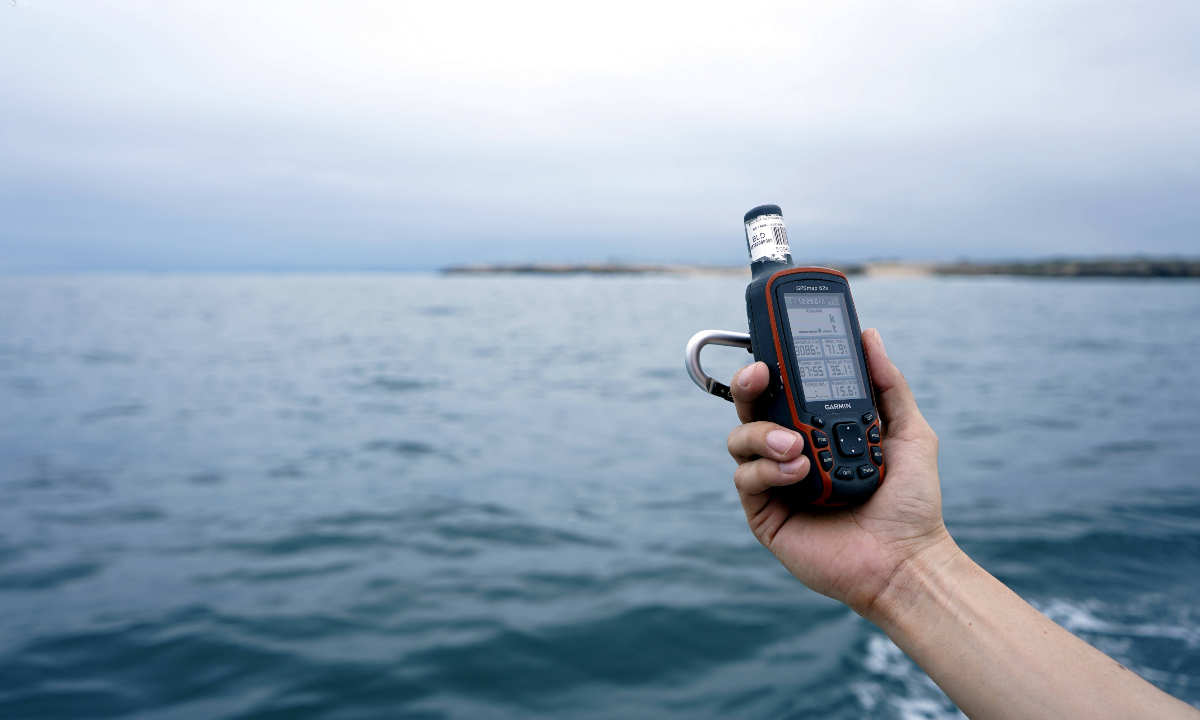
Researchers track coastal climate and ocean conditions to detect El Nino-related shifts. Photo: VCG
As sea surface temperatures in the equatorial central‑eastern Pacific are expected to peak around November to December, potentially leading to a record-strong super El Nino event, China has already experienced typical El Nino-related climate patterns this summer, the China Meteorological Administration announced on Tuesday. These include two major rain belts in eastern regions that caused widespread and intense storms with overlapping impacts, as well more frequent and stronger typhoons delivering prolonged wind and rain.
The central and eastern equatorial Pacific entered an El Nino phase in May, and sea temperatures have since surged. The monitoring region’s sea surface temperature index 2.09 C in July, up 0.49 C from June. By mid-August, it had climbed to 2.64 C, signaling an unusually fast warming trend, the CMA said.
However, according to China’s national standard, a super El Nino event has not yet officially formed.
Given the current pronounced warming trend, a super El Nino event is highly likely to occur, with its intensity potentially exceeding that of the three strongest events on record in 1982-83, 1997-98, and 2015-16 and making it the strongest one ever observed, according to the CMA.
Since the start of summer, China’s abnormal climate patterns have reflected the typical impacts of the El Nino. The western Pacific subtropical high and the monsoon trough have shifted farther north and become stronger, while upper-level cold vortices have repeatedly moved into northern China, resulting in two major rain centers in the north and south, the CMA said.
A stronger summer monsoon has contributed to more frequent and intense typhoon activity, bringing heavier rainfall to southern China and the lower Yangtze River. In northern China, the northward-shifted subtropical high, frequent cold vortices and long-range moisture transport through the typhoons have contributed to repeated strong winds and heavy rain, according to the CMA.
According to CMA, as El Nino continues to develop rapidly and its impacts tend to lag behind its development, the National Climate Centre will strengthen monitoring and forecasting efforts, while closely tracking its future evolution and potential impacts on China’s climate.
Global Times
。 海口8月25日电 (记者 王子谦)临高县是海南渔业第一大县,渔业产量连续27年全省第一。步入“十五五”,在海南“向海图强”的进程中,这个渔业大县正在进行着渔业的全面转型。 海南省新闻办公室25日举行的新闻发布会上,临高县农业农村局局长王赵未表示,“十五五”期间,该县锚定“打造现代海洋经济发展新高地”这一目标,以渔业“三走”战略为总抓手,推动产业从“规模扩张”向“质量提升”全面转型,实现高质量发展。

B | 推动“往岸上走” 临高县坐拥117.05公里绵长海岸线,毗邻资源丰沛的北部湾核心渔场,境内分布新盈、调楼等7个天然渔港,拥有5200余艘海洋捕捞渔船,年捕捞量超40万吨。 王赵未表示,未来五年,临高将锚定建设海南渔业产业融合高质量发展中心、海南水产品交易加工及冷链物流中心、滨海国际休闲渔业中心“三大”功能定位,充分释放国家级沿海渔港经济区试点县的优势,构建“一区一城一路”渔业发展新格局。 在硬件上,新盈、调楼等5大渔港“十五五”期间将全部竣工投用,届时渔港的停泊补给、渔获集散、安全保障能力将大幅跃升。

C | 同时,临高启动渔港贯通工程规划建设,将建成联通七港、快速通达、见海率高达45%的渔业产业大道及渔港观光大道。 产业布局上,临高聚焦临港渔业综合服务、海洋种业与工厂化养殖精深加工、现代渔业装备制造三大方向,进行差异化发展;提档升级新盈中心渔港水产品交易市场,将其打造成琼西北部功能最全、规模最大的水产品交易平台,打通从码头到餐桌的关键一环。 坚定“往深海走” 当前,海南渔业正在科技赋能下加快向深远海挺进。在广阔海域上,抗风浪深水网箱集群布设,养殖从近岸浅海迈向深远海域,助推渔业规模化转型。图为渔民在临高县后水湾驾船投喂深水网箱里的金鲳鱼。 记者 王晓斌 摄 王赵未表示,临高县将联合中国水产科学院、浙江大学、海南大学以及挪威的顶尖科研机构,合力攻克抗风浪深水网箱、深海绿色养殖、病虫害防控等关键技术瓶颈,高标准打造后水湾、美夏湾、头洋湾三大现代化海洋牧场,把深海变成真正的“聚宝盆”;大力推广“鱼—藻—贝”立体生态混养模式,让渔业生产和海洋生态保护相得益彰、协调发展。 继续“往休闲渔业走” 临高县千年耕海牧渔的历史积淀,孕育了“临高渔歌”“哩哩美”调式、渔网编织技艺等独具魅力的渔家文化。十天前的南海开渔日,临高县以开渔节庆为载体,整合非遗渔歌、渔家民俗、海洋特色品牌资源,吸引大批岛内外游客。 海风中,休闲渔船载着游客驶向大海;沙滩上,人们拿起工具,挽起裤脚赶海拾贝……一幕幕烟火场景,正是临高休闲渔业红火发展的生动注脚。图为临高县新盈镇举行别具特色的海上渔家龙舟赛。 记者 骆云飞 摄 “我们将依托原生态的滨海岸线和浓郁的渔家民俗文化,深度开发海钓体验、渔港观光、渔家民宿、海鲜美食等多元业态。”王赵未说,临高将打造琼西北部渔旅融合的蓝色休闲旅游目的地为目标,加大基础配套投入,新增休闲渔船泊位,支持企业发展壮大,让渔业从单纯的“捕鱼卖鱼”,蝶变为“生产+体验+文旅+消费”的复合型产业。

D |
Current article:http://tmtdk.cengzaodengchawonin.cyou/news/20260826_7485.html
Published on:10:07:53